
What Is Transfection?
Transfection is a laboratory method used to introduce foreign nucleic acids—such as DNA, RNA, or CRISPR constructs—into eukaryotic cells. This technique is essential for studying gene function, gene silencing, protein expression, and the development of cell-based therapies. Successful transfection allows researchers to manipulate gene activity and observe its effects on cell behavior and disease pathways.
What Is Blood Transfection?
Blood transfection refers specifically to the transfection of blood-derived cells, including various types of leukemia and lymphoma cells. These cells are typically non-adherent and difficult to transfect using standard methods. Electroporation—a technique that uses electrical pulses to create temporary pores in the cell membrane—has become the most effective method for delivering genetic material into suspension blood cells with high efficiency and low cytotoxicity.
Specialized Kits for Hematologic Research
Our transfection kits are optimized for specific human leukemia and lymphoma cell lines, offering researchers a reliable, reproducible solution for genetic manipulation in hematologic studies. Each kit includes cell-type–specific protocols, electroporation buffers, and technical support to ensure optimal results.
Jurkat Electroporation Kit (T-Cell Leukemia, TIB-152)
Product Overview
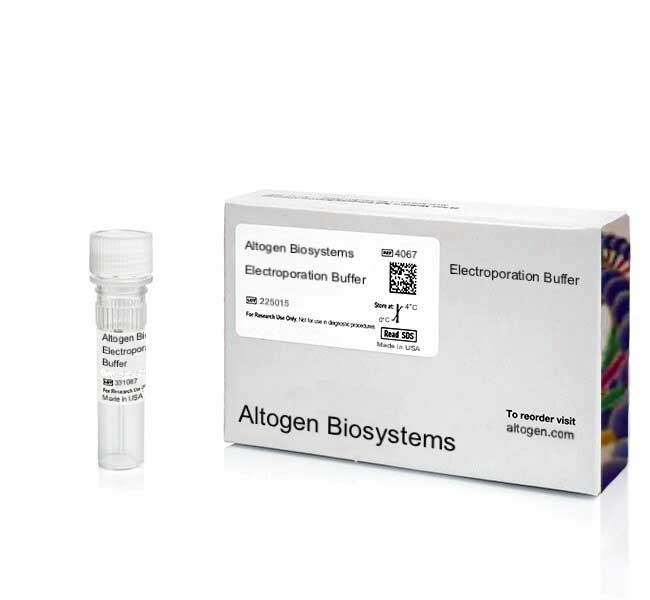
The Jurkat Electroporation Kit is a highly specialized, laboratory-validated transfection system developed by Altogen Biosystems for use with Jurkat cells, a human T lymphocyte cell line derived from a case of acute T-cell leukemia. Jurkat cells (ATCC® TIB-152™) are commonly used in immunology, oncology, and hematological studies due to their relevance in modeling T-cell receptor signaling, cytokine production, HIV entry mechanisms, and responses to pharmaceutical agents. Because Jurkat cells are suspension cells with fragile membranes, traditional lipid-based transfection methods often yield low efficiency and high toxicity. The Jurkat Electroporation Kit addresses these challenges through an advanced buffer system optimized for electroporation, enabling high-efficiency delivery of nucleic acids and proteins with excellent post-electroporation viability.
Kit Composition and Technology
This kit includes a proprietary electroporation buffer that mimics the cytoplasmic ionic composition of human cells, facilitating rapid recovery and membrane resealing following electrical pulse treatment. The buffer is free of RNases and DNases, protecting sensitive biological payloads such as mRNA, siRNA, and protein complexes during delivery. The reagent is manufactured under stringent quality control to ensure experimental reproducibility. Each kit also comes with a detailed protocol manual, optimized for multiple payload types including plasmid DNA, siRNA, shRNA, CRISPR-Cas9 ribonucleoproteins, and proteins.
Transfection Performance
The Jurkat Electroporation Kit routinely achieves 75–90% transfection efficiency when delivering siRNA, as confirmed by quantitative RT-PCR and downstream gene knockdown analysis. The formulation is compatible with both small- and large-scale experiments and has been validated for minimal cytotoxicity and consistent recovery of viable cells within 24 hours post-electroporation. Researchers benefit from rapid protocol completion times, reproducible results across experiments, and the flexibility to scale workflows for high-throughput screening or individual experiments.
Jurkat Cell Line Applications
Jurkat cells are extensively used to study T-cell signaling, apoptosis, transcription factor activity, and cytokine gene expression, including interleukin-2 (IL-2). They serve as a model for HIV infection due to their high expression of CD4 and associated coreceptors. In cancer biology, they are frequently used to investigate responses to radiation and chemotherapeutic agents, given their origin from acute T-cell leukemia. Jurkat cells contain notable genetic alterations such as TP53, FBXW7, and SMARCA4 mutations, making them highly relevant for studies of oncogenic transformation and immune cell dysfunction. This electroporation kit is designed to facilitate molecular manipulation of these cells for both mechanistic and therapeutic research.
Use Cases and Research Applications
This kit is ideal for applications involving transient gene expression, RNA interference (RNAi), genome editing using CRISPR/Cas9, overexpression of therapeutic targets, and introduction of fluorescent reporter constructs. Researchers in immunology, molecular oncology, virology, and hematology regularly use this product to investigate T-cell biology and leukemia pathogenesis. Its high efficiency and low toxicity make it especially suitable for functional genomics, pathway analysis, and drug mechanism-of-action studies.
Read More Information: Jurkat Electroporation Kit
Request Quote here: https://altogen.com/request-quote/
K562 Electroporation Kit (Leukemia Cells, CCL-243)
Product Overview
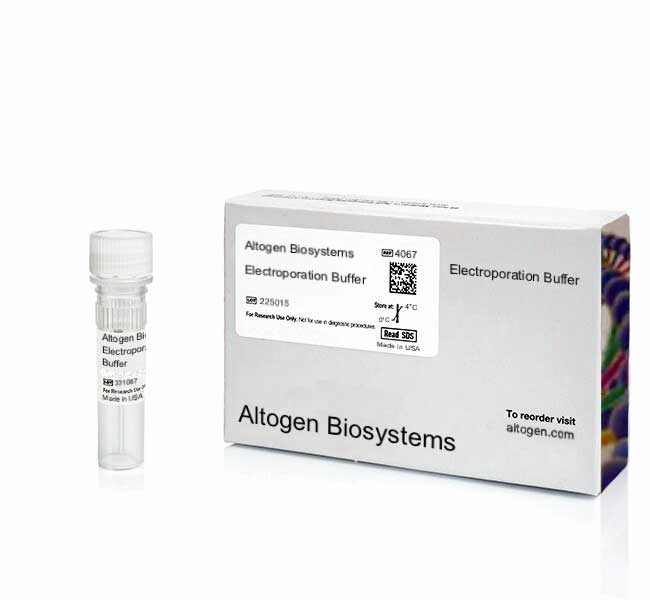
The K562 Electroporation Kit by Altogen Biosystems is a precision-engineered, high-efficiency electroporation system specifically developed for transfection of K562 cells, a human chronic myelogenous leukemia (CML) cell line in blast crisis that also serves as a model for acute myeloid leukemia (AML) research. The K562 cell line (ATCC® CCL-243™) is a suspension cell line derived from a 53-year-old female patient with chronic myeloid leukemia in terminal blast crisis. These cells are widely used in hematopoietic research, immunotherapy development, signal transduction studies, and pharmaceutical testing due to their multipotent characteristics and erythroid lineage features.
Transfecting K562 cells poses unique challenges due to their suspension growth and resistance to chemical-based transfection methods. The K562 Electroporation Kit overcomes these limitations using a proprietary electroporation buffer that promotes efficient membrane permeabilization and rapid resealing, enabling high transfection efficiency with minimal cytotoxicity. This kit has been optimized for delivery of plasmid DNA, siRNA, shRNA, mRNA, proteins, and CRISPR-Cas9 components into K562 cells with consistent and reproducible results.
Kit Composition and Technology
The electroporation buffer included in the kit is specifically formulated to reduce cellular stress during electroporation by mimicking intracellular ionic conditions, supporting rapid recovery of membrane integrity and maintaining high post-transfection viability. The buffer is free of RNases, DNases, endotoxins, and other contaminants that could degrade or interfere with sensitive biological payloads. Designed for use with standard electroporation devices, the kit is compatible with both small- and large-scale experimental formats. Comprehensive protocols are included for a range of applications, including gene overexpression, knockdown, and genome editing.
Transfection Performance
This electroporation system provides reliable, high-efficiency delivery of nucleic acids and proteins into K562 cells, routinely achieving transfection efficiencies exceeding 80% for siRNA and plasmid DNA, as measured by fluorescence-based reporter assays and qRT-PCR. Importantly, cell viability remains high post-transfection, making this kit suitable for downstream functional assays, time-course studies, and multi-step transfection workflows. The optimized buffer conditions reduce electrical arcing and cell clumping while supporting reproducible transgene expression across replicates.
K562 Cell Line Applications
K562 cells are highly valuable in hematology and oncology research due to their pluripotent potential, erythroid lineage characteristics, and expression of key hematopoietic markers. These cells are often used to investigate erythropoiesis, hematopoietic differentiation, drug-induced apoptosis, and cellular signaling pathways such as MAPK, JAK/STAT, and PI3K/Akt. Because they naturally lack major histocompatibility complex (MHC) expression, K562 cells are also utilized in immunotherapy research, particularly in natural killer (NK) cell cytotoxicity assays. Their relevance extends to studies of chronic myelogenous leukemia and AML, particularly in preclinical evaluation of small-molecule inhibitors and gene-based therapies.
Use Cases and Research Applications
This kit enables a wide range of advanced research applications, including gene expression analysis, RNA interference studies, CRISPR-mediated gene knockout and knock-in, cytokine signaling studies, and drug mechanism-of-action profiling. Its high efficiency and reproducibility make it particularly well-suited for high-throughput screening assays, validation of therapeutic targets, and functional genomic studies in leukemia biology. Additionally, its compatibility with protein and RNP delivery allows for rapid, non-integrative gene editing workflows in both basic and translational research settings.
Read More Information: K562 Electroporation Kit
Request Quote here: https://altogen.com/request-quote/
CCRF-CEM Electroporation Kit (CML Leukemia Cells)
Product Overview
The CCRF‑CEM Electroporation Kit is a high-performance transfection solution tailored for CCRF‑CEM cells, a human T‑cell leukemia line originally derived from a 4-year-old child with acute lymphoblastic leukemia. These suspension lymphoblasts express CD3 and CD7 antigens and serve as a robust model for studying leukemia pathogenesis, cytokine production, apoptotic pathways, and pharmaceutical responses. Electroporation is uniquely suited for CCRF‑CEM’s difficult-to-transfect suspension nature, bypassing endocytosis limitations and enabling high-efficiency intracellular delivery with minimal cytotoxicity.
Buffer Technology and Kit Composition
Altogen Biosystems developed a proprietary electroporation buffer with an ionic composition that closely mimics intracellular cytoplasm. This formulation supports rapid membrane resealing after electrical pulse application and ensures high viability. The buffer is certified RNase‑ and DNase‑free, protecting nucleic acid and protein integrity during transfection. The kit includes the buffer and a comprehensive, pre‑validated protocol covering delivery of plasmid DNA, siRNA, shRNA, mRNA, and proteins, with no additional reagents required. Available in 4 mL (suitable for ~20 reactions; Catalog #6559) and 30 mL (suitable for ~150 reactions; Catalog #6560) formats, both come ready for immediate use alongside SDS documentation and electroporation guidelines.
Transfection Performance
Extensive validation in CCRF‑CEM cells demonstrates 80–95 percent siRNA delivery efficiency, as measured by qRT‑PCR, combined with high cell viability post‑electroporation. The optimized buffer composition reduces arcing, minimizes electrical stress, and promotes consistent cell recovery, making it ideal for protocols that require reproducibility or involve downstream functional assays.
Cell Line Characteristics and Applications
CCRF‑CEM cells originated from a pediatric patient and possess key leukemia biology features, such as rapid proliferation, T‑cell antigen expression, and cytokine production. They are genetically characterized to include mutations in TP53, FBXW7, GRIN2A, NOTCH2NL, FLT3 and others, providing a relevant model for studying oncogenic signaling and potential therapeutic targets. This electroporation kit enables targeted gene modulation in CCRF‑CEM, supporting applications in RNA interference, CRISPR-based editing, protein expression studies, drug mechanism investigations, and apoptosis pathway analysis.
Read More Information: CCRF-CEM Electroporation Kit
Request Quote here: https://altogen.com/request-quote/
KG-1 Electroporation Kit (Leukemia Cells, CCL-246)
Product Overview
The KG‑1 Electroporation Kit from Altogen Biosystems is specifically designed for electroporation of KG‑1 cells, a human myelogenous leukemia line derived from a 59‑year‑old patient with acute myeloid leukemia. As suspension cells with fragile membranes, KG‑1 cells pose significant challenges for traditional chemical transfection methods. This kit addresses these challenges by using a proprietary, cytoplasm‑mimicking buffer that supports efficient membrane permeabilization and rapid resealing following an electrical pulse.
Buffer Technology and Kit Composition
The product includes a high‑grade electroporation buffer formulated to replicate intracellular ionic conditions, enabling improved cell survival and recovery. This buffer is certified free of RNases and DNases to protect the integrity of nucleic acids and proteins delivered during transfection. It comes pre‑validated for use with plasmid DNA, siRNA, mRNA, proteins, and CRISPR–Cas9 complexes. Each kit contains comprehensive, optimized protocols to facilitate seamless integration into laboratory workflows.
Transfection Performance
In validated experiments, the KG‑1 Electroporation Kit consistently delivers 70–85 percent siRNA transfection efficiency in KG‑1 cells, as measured by qRT‑PCR. Users experience high post‑transfection viability and reproducibility, with reduced cellular stress and minimized issues such as electrical arcing or cell clumping during electroporation.
KG‑1 Cell Line Applications
KG‑1 cells are derived from acute myelogenous leukemia and represent an advanced model for studying leukemogenesis, bone marrow malignancies, and drug resistance mechanisms. They express characteristic surface markers such as CD34, CD38, and HLA antigens, making them ideal for investigations of hematopoietic development, differentiation signaling, and therapeutic intervention. The efficient delivery of genetic material into KG‑1 cells supports applications in gene regulation studies, RNA interference, CRISPR‑mediated genome editing, protein functional assays, and pharmacodynamic evaluations.
Use Cases and Research Applications
This electroporation system is ideal for transient expression studies, RNA interference and knockdown experiments, functional protein analyses and CRISPR‑driven gene editing in KG‑1 cells. Its high efficiency, robust viability, and reproducibility are ideal for high‑throughput screening, target validation, mechanistic oncology research, and precision medicine workflows.
Read More Information: KG-1 Electroporation Kit
Request Quote here: https://altogen.com/request-quote/
RBL-2H3 Electroporation Kit (Basophilic Leukemia)
Product Overview
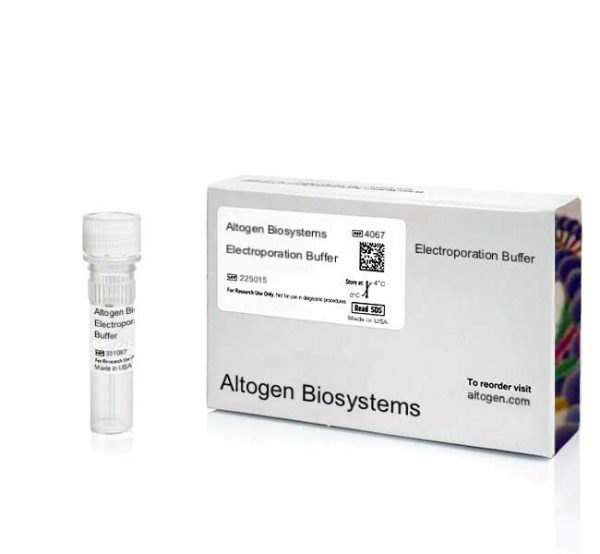
The RBL‑2H3 Electroporation Kit from Altogen Biosystems is a precision-engineered transfection solution designed specifically for RBL‑2H3 cells, a basophilic leukemia line derived from a Wistar rat. These suspension cells are widely utilized in mast cell and allergy research due to their ability to degranulate and release histamine, leukotrienes, and cytokines in response to IgE receptor activation. Traditional lipid- or polymer-based transfection methods struggle with RBL‑2H3 due to their sensitive membranes and suspension characteristics; this electroporation kit overcomes those limitations by leveraging a proprietary buffer system that ensures efficient delivery with minimal cytotoxicity.
Buffer Composition and Included Materials
At the heart of this kit lies Altogen’s proprietary electroporation buffer, formulated to closely mimic intracellular ionic conditions, promoting rapid membrane resealing and high cell viability. It is rigorously certified to be RNase‑ and DNase‑free. The kit is supplied in two ready-to-use sizes—4 mL for approximately 20 transfections (Catalog #6587) and 30 mL for roughly 150 transfections (Catalog #6588)—and includes detailed, standardized protocols for effective delivery of plasmid DNA, siRNA, mRNA, and proteins into RBL‑2H3 cells.
Performance Metrics
Electroporation efficiency in RBL‑2H3 cells typically ranges from 80 to 95 percent for siRNA delivery, as confirmed by RT-PCR analysis. These high uptake rates, combined with excellent post-electroporation viability, make this kit highly suitable for applications requiring reproducible transfection results, even under demanding experimental conditions.
RBL‑2H3 Cell Line Applications
The RBL‑2H3 line is a well-validated model system for investigating mast cell and basophil biology. Cells express FcεRI receptors and respond to IgE-crosslinking by releasing inflammatory mediators, making them invaluable for studies of allergic degranulation, mast cell signaling, and immunomodulatory drug testing. Efficient introduction of nucleic acids and proteins empowers researchers to probe gene function, signaling pathways, and protein interactions in the context of allergic response and inflammation.
Read More Information: RBL-2H3 Electroporation Kit
Request Quote here: https://altogen.com/request-quote/
RAW 264.7 Electroporation Kit (Lymphoma, TIB-71)
Product Overview
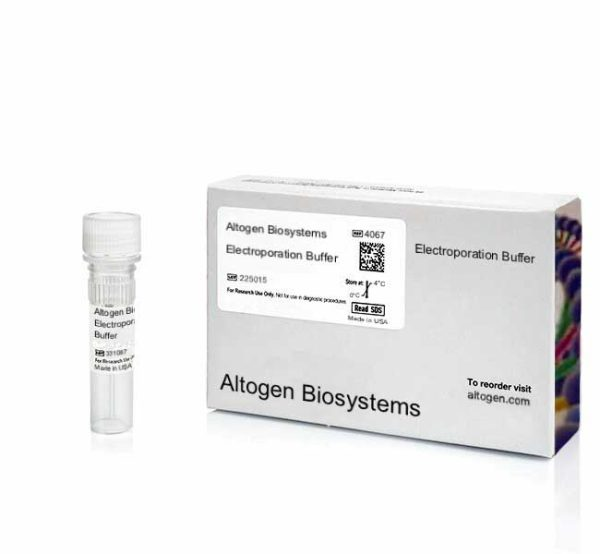
The RAW 264.7 Electroporation Kit from Altogen Biosystems is a specialized system crafted for efficient delivery of nucleic acids and proteins into RAW 264.7 cells, a murine monocyte/macrophage line derived from Abelson murine leukemia virus-induced lymphoma (ATCC® TIB‑71™). Widely used in immunology and inflammation research, RAW 264.7 cells are employed to study macrophage activation, cytokine secretion, phagocytosis, Toll-like receptor signaling, oxidative burst, and gene regulation mechanisms relevant to hematopoietic and cancer biology.
Kit Composition and Technology
This kit includes a proprietary electroporation buffer engineered to closely mimic intracellular ionic conditions and reduce membrane stress during electrical pulse delivery. Certified free from RNase, DNase, endotoxin, and other contaminants, the buffer supports membrane resealing and maintains high cell viability. Accompanying the buffer is a set of optimized, Altogen-developed protocols tailored for transfection of plasmid DNA, siRNA, mRNA, and proteins into RAW 264.7 cells, ensuring minimal arcing and robust reproducibility.
Transfection Performance
Extensive validation demonstrates delivery efficiencies between 75–90% for siRNA templates, as quantified by RT-PCR, paired with strong post-electroporation viability and rapid recovery. Users can expect reliable gene knockdown or expression assays, with low cytotoxicity even after repeated transfection procedures.
RAW 264.7 Cell Line Applications
As an adherent monocyte/macrophage model, RAW 264.7 cells express macrophage-specific markers (F4/80, CD11b, Toll-like receptors) and show functional responses such as phagocytosis, LPS-induced cytokine secretion, nitric oxide production, and inflammasome activation. This kit supports comprehensive studies into the molecular underpinnings of inflammation, macrophage polarization, innate immunity, pathogen response, and screening of anti-inflammatory or anti-cancer compounds—especially those targeting hematopoietic and macrophage-related pathways.
Use Cases and Research Applications
This kit is ideal for applications in gene silencing, overexpression, CRISPR/Cas9 editing, protein delivery, cytokine modulation, and signal transduction studies. It is particularly suited for investigators studying macrophage activation, innate immune responses, inflammatory disease models, and hematopoietic or immuno-oncology research. High efficiency, reproducibility, and maintained viability also support high-throughput screening, functional genomics, and therapeutic discovery pipelines.
Read More Information: RAW 264.7 Electroporation Kit
Request Quote here: https://altogen.com/request-quote/
HL-60 Electroporation Kit (Plasmacytoma, CCL-240)
Product Overview
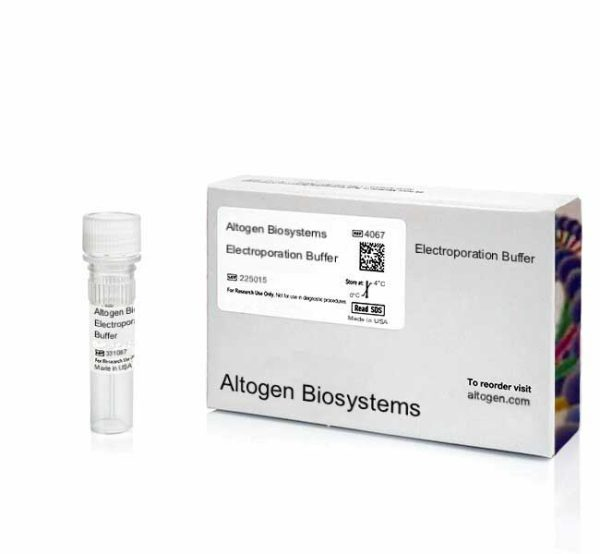
The HL-60 Electroporation Kit from Altogen Biosystems is a specialized transfection system designed for the efficient delivery of nucleic acids and proteins into HL-60 cells, a human promyelocytic leukemia cell line derived from a 36-year-old female patient with acute promyelocytic leukemia. These cells are widely utilized in cancer research, immunology, and drug development due to their ability to differentiate into various myeloid lineages and their responsiveness to a range of stimuli. The kit is optimized to overcome the challenges associated with transfecting suspension cells like HL-60, ensuring high efficiency and cell viability.
Buffer Composition and Kit Components
The kit includes a proprietary electroporation buffer formulated to closely mimic intracellular ionic conditions, promoting rapid membrane resealing and high cell viability post-transfection. This buffer is certified free from RNases and DNases to protect the integrity of nucleic acids and proteins. The kit is available in two sizes: a 4 mL format (Catalog #1751) and a 30 mL format (Catalog #1752), suitable for approximately 20 and 150 transfections, respectively. Each kit comes with detailed, optimized protocols for the delivery of plasmid DNA, siRNA, mRNA, and proteins into HL-60 cells.
Transfection Performance
The HL-60 Electroporation Kit has been validated to achieve transfection efficiencies of approximately 60%, with minimal cytotoxicity. This performance is particularly notable given the challenges associated with transfecting suspension cells. The high efficiency and low toxicity make this kit suitable for a variety of applications, including gene silencing, overexpression studies, and protein delivery.
HL-60 Cell Line Applications
HL-60 cells are a valuable model for studying acute promyelocytic leukemia and myeloid cell differentiation. They can be induced to differentiate into neutrophil-like cells, macrophage-like cells, or eosinophil-like cells, making them ideal for research into hematopoiesis, immune response, and drug resistance mechanisms. The HL-60 Electroporation Kit facilitates the introduction of genetic material into these cells, enabling studies on gene function, signaling pathways, and therapeutic interventions.
Read More Information: HL-60 Electroporation Kit
Request Quote here: https://altogen.com/request-quote/
Daudi Electroporation Kit (Burkitt’s Lymphoma Cells)
Product Overview
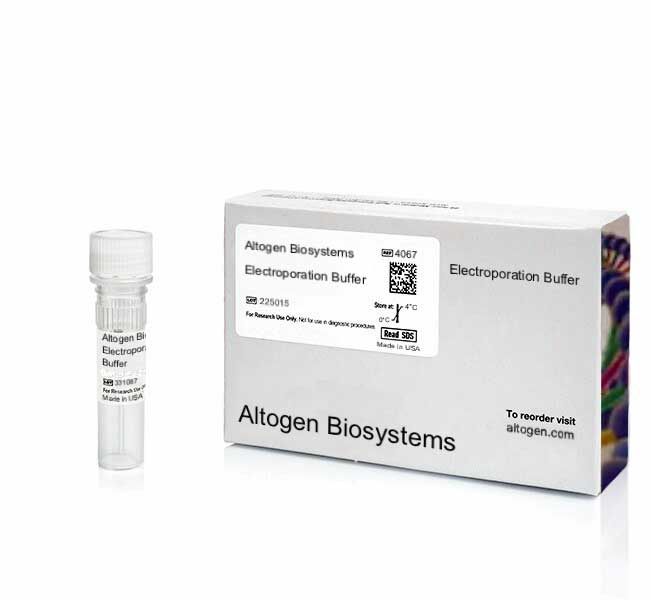
The Daudi Electroporation Kit from Altogen Biosystems is a specialized transfection system designed for efficient delivery of nucleic acids and proteins into Daudi cells, a human B-lymphoblastoid cell line derived from a 16-year-old male patient with Burkitt’s lymphoma. These cells are widely used in cancer research, immunology, and drug development due to their ability to produce immunoglobulins and their responsiveness to various stimuli. The kit is optimized to overcome the challenges associated with transfecting suspension cells like Daudi, ensuring high efficiency and cell viability.
Buffer Composition and Kit Components
The kit includes a proprietary electroporation buffer formulated to closely mimic intracellular ionic conditions, promoting rapid membrane resealing and high cell viability post-transfection. This buffer is certified free from RNases and DNases to protect the integrity of nucleic acids and proteins. The kit is available in two sizes: a 4 mL format (Catalog #6561) and a 30 mL format (Catalog #6562), suitable for approximately 20 and 150 transfections, respectively. Each kit comes with detailed, optimized protocols for the delivery of plasmid DNA, siRNA, mRNA, and proteins into Daudi cells.
Transfection Performance
The Daudi Electroporation Kit has been validated to achieve transfection efficiencies of approximately 70–85% for siRNA delivery, as determined by quantitative RT-PCR analysis. These high efficiency rates, combined with excellent post-electroporation viability, make this kit highly suitable for applications requiring reproducible transfection results, even under demanding experimental conditions.
Daudi Cell Line Applications
Daudi cells are a valuable model for studying Burkitt’s lymphoma and B cell biology. They express surface immunoglobulins and are positive for Epstein-Barr nuclear antigen (EBNA), making them ideal for research into B cell activation, immunoglobulin production, and the molecular mechanisms underlying lymphoma development. The Daudi Electroporation Kit facilitates the introduction of genetic material into these cells, enabling studies on gene function, signaling pathways, and therapeutic interventions.
Read More Information: Daudi Electroporation Kit
Request Quote here: https://altogen.com/request-quote/
Raji Electroporation Kit (Burkitts Lymphoma, CCL-86)
Product Overview
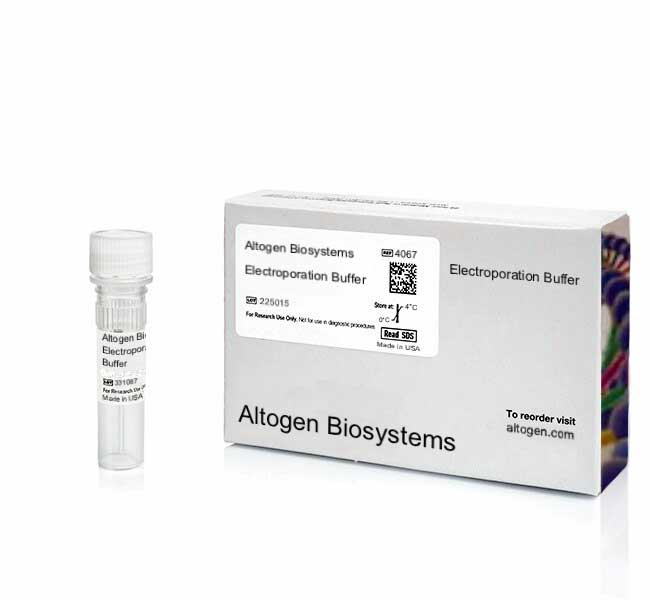
The Raji Electroporation Kit from Altogen Biosystems is a specialized transfection system designed for efficient delivery of nucleic acids and proteins into Raji cells, a human B-lymphoblastoid cell line derived from an 11-year-old male patient with Burkitt’s lymphoma. These cells are widely used in cancer research, immunology, and drug development due to their ability to produce immunoglobulins and their responsiveness to various stimuli. The kit is optimized to overcome the challenges associated with transfecting suspension cells like Raji, ensuring high efficiency and cell viability.
Buffer Composition and Kit Components
The kit includes a proprietary electroporation buffer formulated to closely mimic intracellular ionic conditions, promoting rapid membrane resealing and high cell viability post-transfection. This buffer is certified free from RNases and DNases to protect the integrity of nucleic acids and proteins. The kit is available in two sizes: a 4 mL format (Catalog #6581) and a 30 mL format (Catalog #6582), suitable for approximately 20 and 150 transfections, respectively. Each kit comes with detailed, optimized protocols for the delivery of plasmid DNA, siRNA, mRNA, and proteins into Raji cells.
Transfection Performance
The Raji Electroporation Kit has been validated to achieve transfection efficiencies of approximately 75–90% for siRNA delivery, as determined by quantitative RT-PCR analysis. These high efficiency rates, combined with excellent post-electroporation viability, make this kit highly suitable for applications requiring reproducible transfection results, even under demanding experimental conditions.
Raji Cell Line Applications
Raji cells are a valuable model for studying Burkitt’s lymphoma and B cell biology. They express surface immunoglobulins and are positive for Epstein-Barr nuclear antigen (EBNA), making them ideal for research into B cell activation, immunoglobulin production, and the molecular mechanisms underlying lymphoma development. The Raji Electroporation Kit facilitates the introduction of genetic material into these cells, enabling studies on gene function, signaling pathways, and therapeutic interventions.
Read More Information: Raji Electroporation Kit
Request Quote here: https://altogen.com/request-quote/
Ramos Electroporation Kit (Lymphoma Cells, CRL1596)
Product Overview
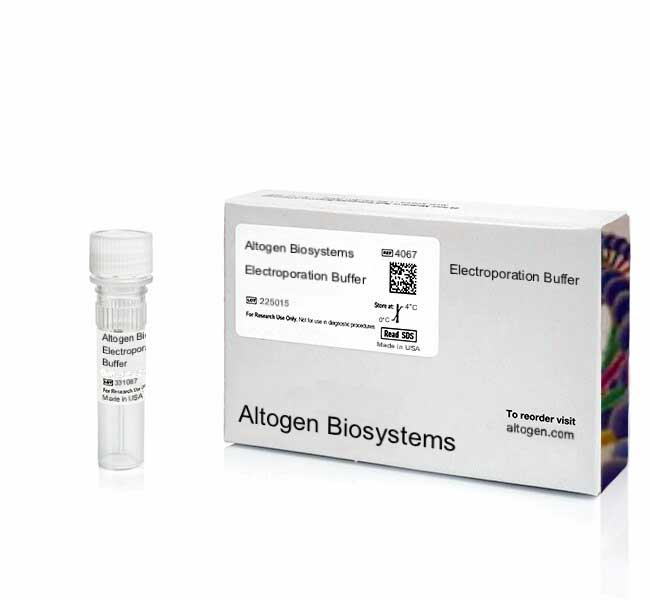
The Ramos Electroporation Kit from Altogen Biosystems is a specialized transfection system designed for the efficient delivery of nucleic acids and proteins into Ramos cells, a human B-lymphoblastoid cell line derived from a 3-year-old Caucasian male patient with Burkitt’s lymphoma. These cells are widely used in cancer research, immunology, and drug development due to their ability to produce immunoglobulins and their responsiveness to various stimuli. The kit is optimized to overcome the challenges associated with transfecting suspension cells like Ramos, ensuring high efficiency and cell viability.
Buffer Composition and Kit Components
The kit includes a proprietary electroporation buffer formulated to closely mimic intracellular ionic conditions, promoting rapid membrane resealing and high cell viability post-transfection. This buffer is certified free from RNases and DNases to protect the integrity of nucleic acids and proteins. The kit is available in two sizes: a 4 mL format (Catalog #6583) and a 30 mL format (Catalog #6584), suitable for approximately 20 and 150 transfections, respectively. Each kit comes with detailed, optimized protocols for the delivery of plasmid DNA, siRNA, mRNA, and proteins into Ramos cells.
Transfection Performance
The Ramos Electroporation Kit has been validated to achieve transfection efficiencies of approximately 70–85% for siRNA delivery, as determined by quantitative RT-PCR analysis. These high efficiency rates, combined with excellent post-electroporation viability, make this kit highly suitable for applications requiring reproducible transfection results, even under demanding experimental conditions.
Ramos Cell Line Applications
Ramos cells are a valuable model for studying Burkitt’s lymphoma and B cell biology. They express surface immunoglobulins and are positive for Epstein-Barr nuclear antigen (EBNA), making them ideal for research into B cell activation, immunoglobulin production, and the molecular mechanisms underlying lymphoma development. The Ramos Electroporation Kit facilitates the introduction of genetic material into these cells, enabling studies on gene function, signaling pathways, and therapeutic interventions.
Read More Information: Ramos Electroporation Kit
Request Quote here: https://altogen.com/request-quote/